

me encanta peru
my newsletter diaries from the Industry of All Nations archive

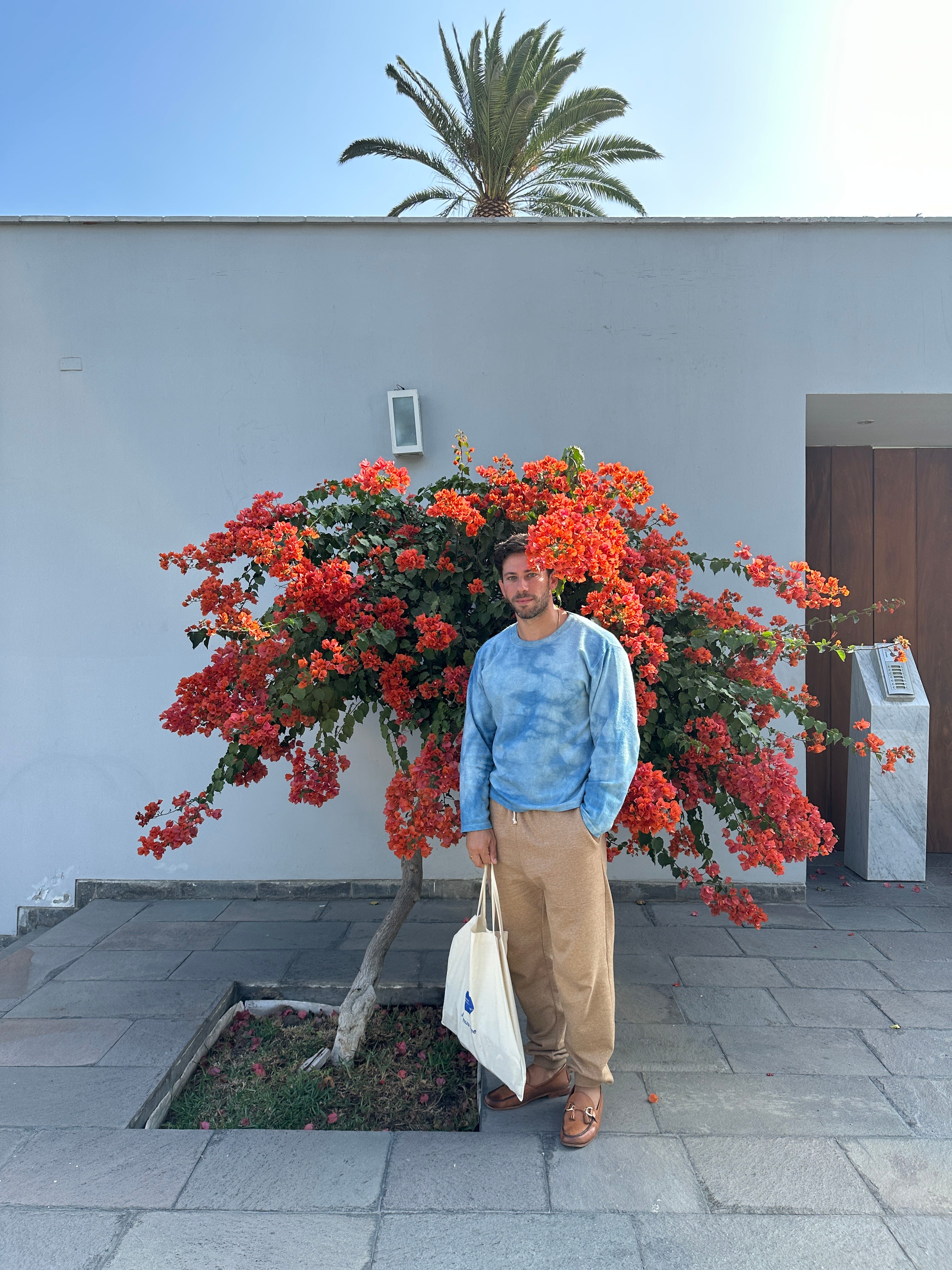
Last-minute flights, hours of planning, sleepless nights, 5,000 miles flown, and 18,000 steps a day. I am writing this newsly from Lima, where I am here with filmmaker Jimmy Pham, meeting with and documenting the harvest of native brown cotton.
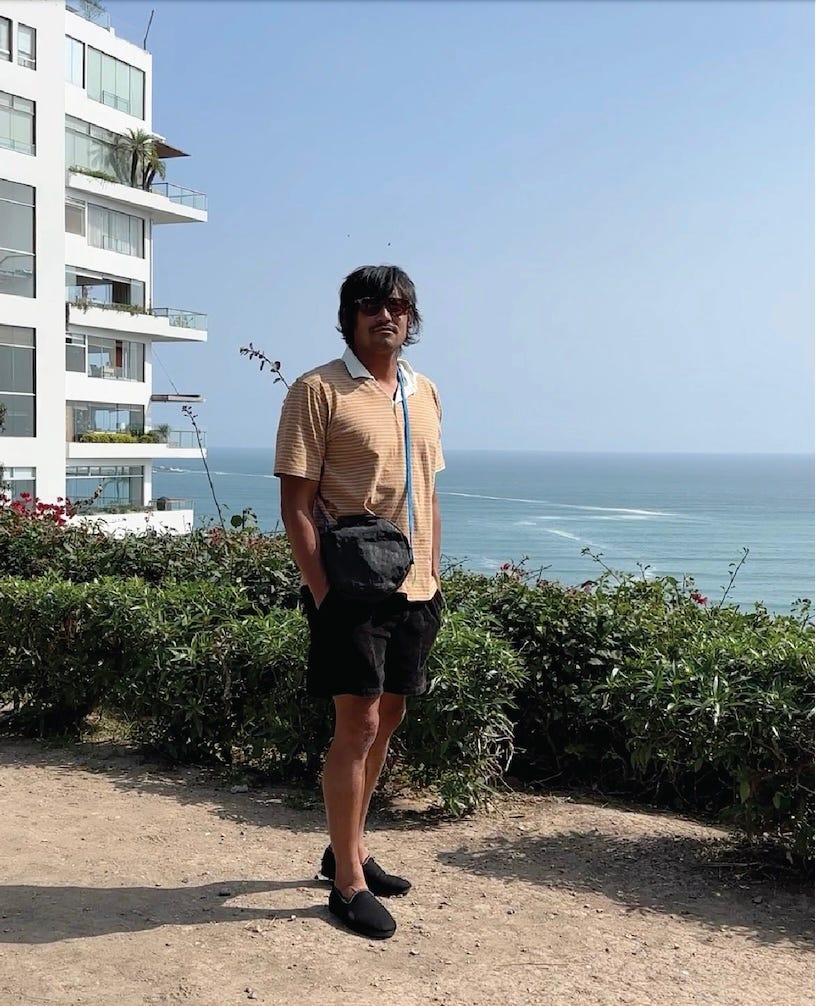
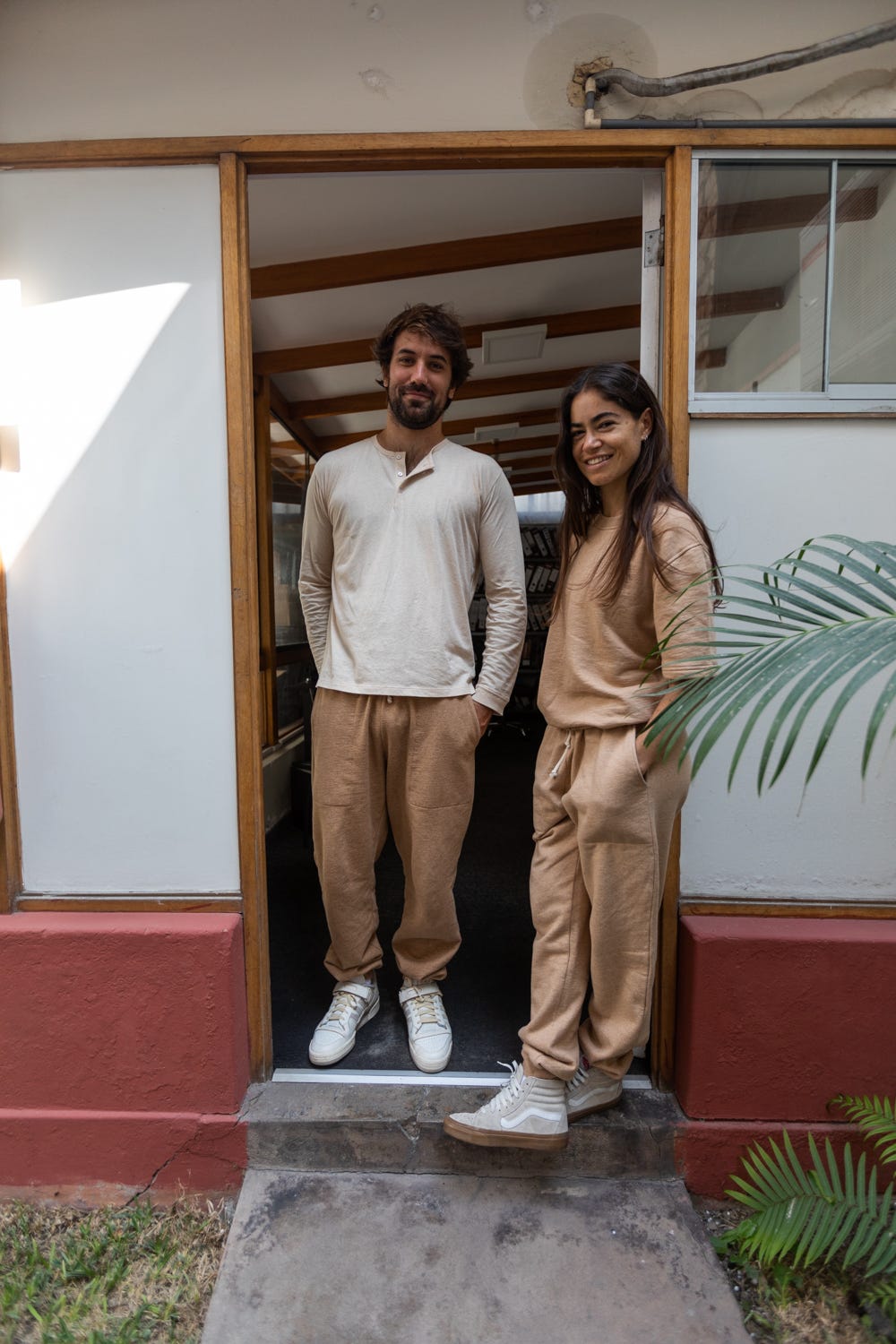
We started in Lima, exploring two neighborhoods: Miraflores and Barranco - eating ceviche and meeting Limeños and coincidentally running into IOAN customers Loretta and José on the street after a chance conversation. We took pictures of them wearing IOAN’s upcoming Wild production at our manufacturing partner’s office.
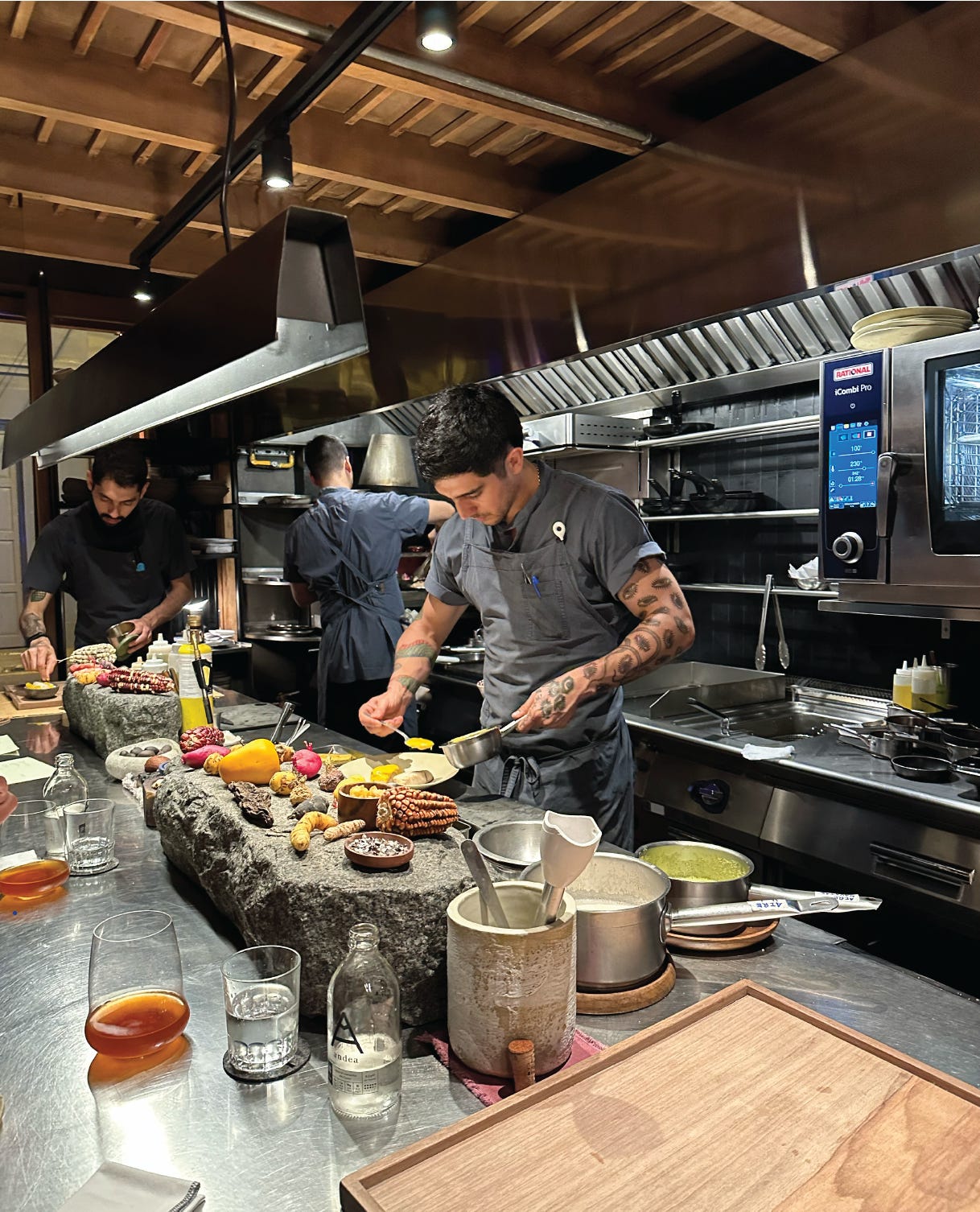
Loretta happened to know someone who works at Merito, a restaurant rising on the world ranking list and is a local favorite. I have never had corn that was so good in my life!
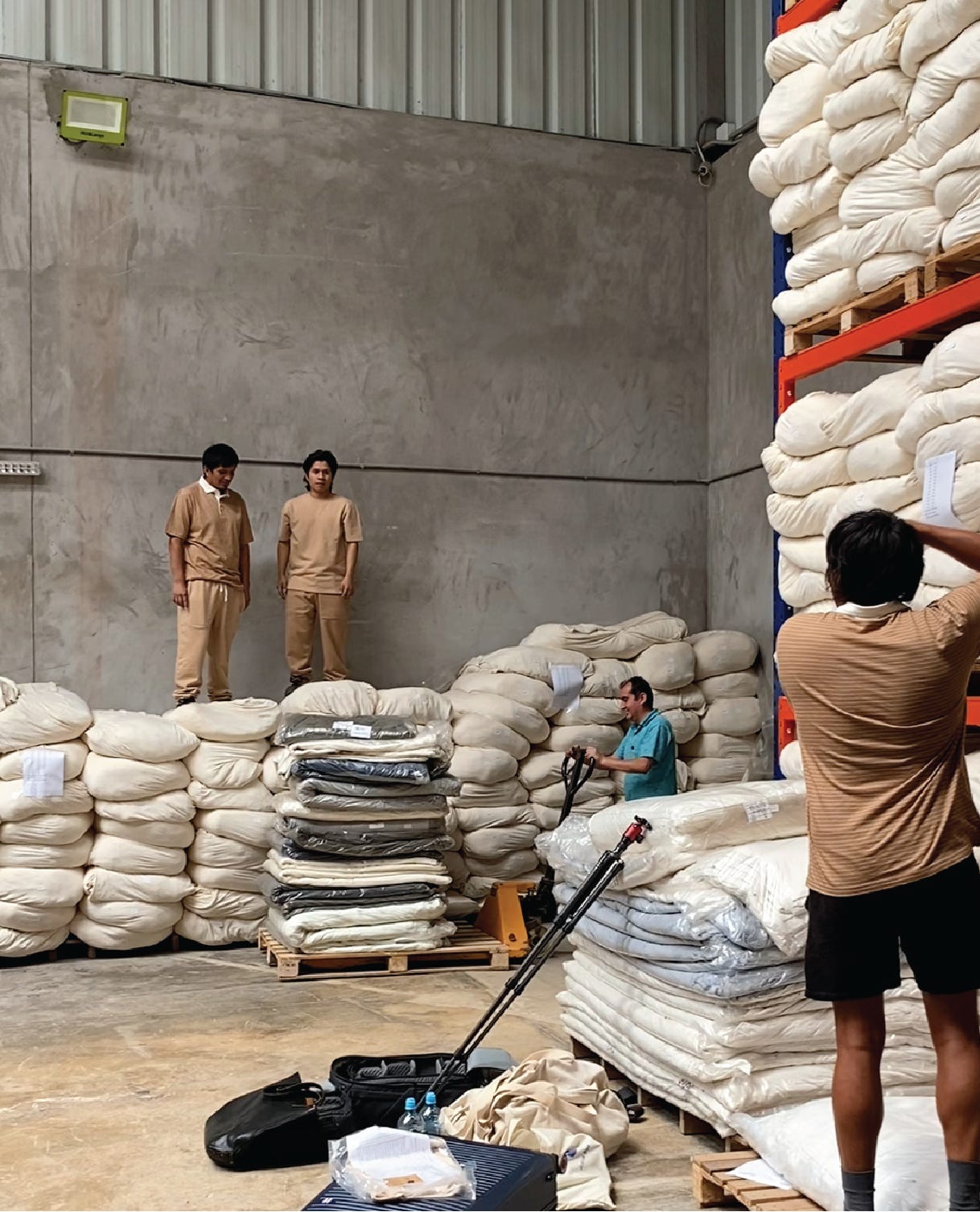
In Lurín, 45 minutes outside of Lima, our production partners were sewing our hoodies and sweatpants in their warehouse for a (very soon) upcoming delivery.
Jimmy and I traveled to Tarapoto and met with local farmer Pompilio. Pompilio has a PhD in agriculture and is working to seed and propagate native brown cotton, a crop that was near extinct not long ago.
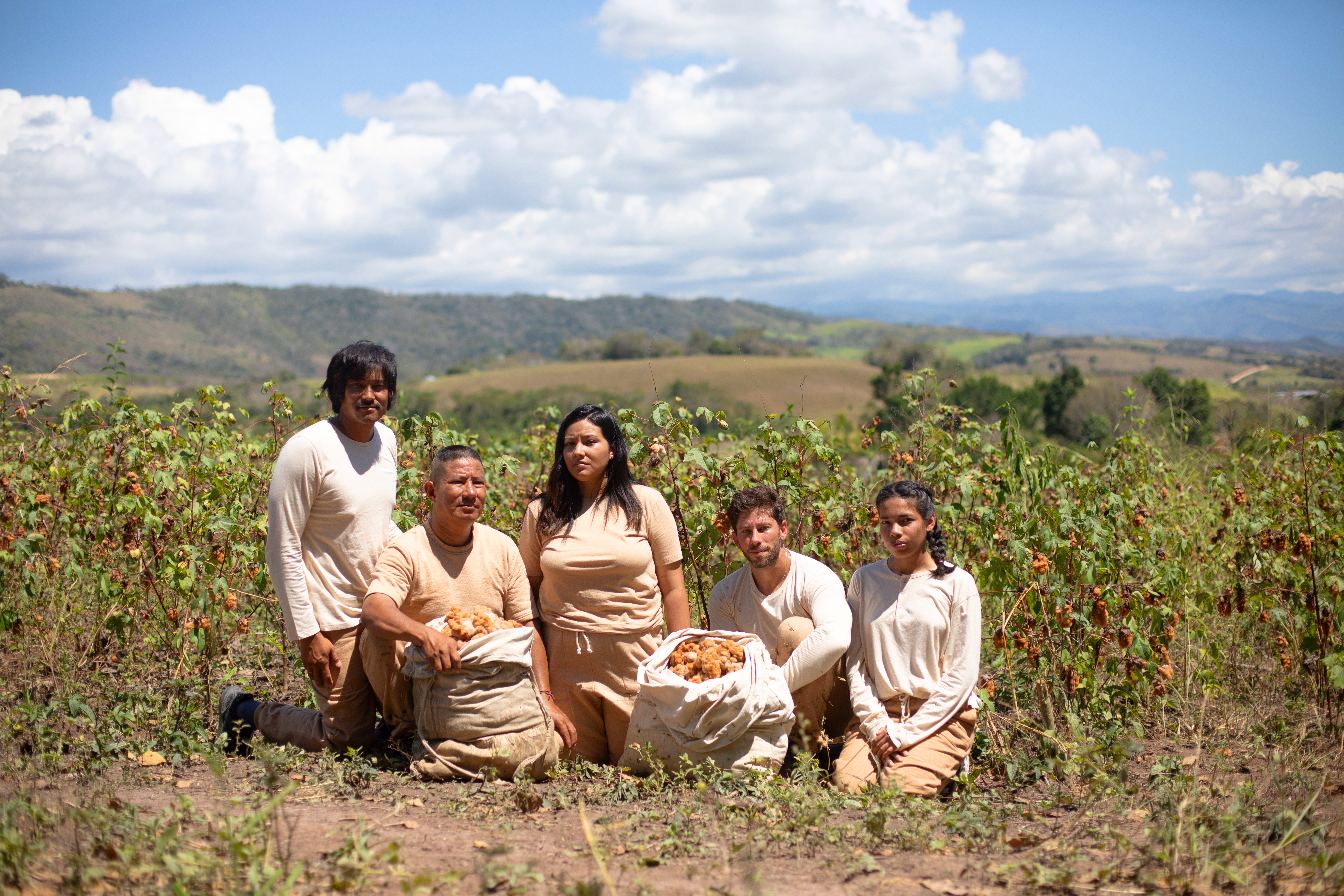
Pompilio’s farm needs no irrigation, grows only using rainwater, and because his farm is on a hill, the plants at the top are around 3’ tall, but the ones in the basin, where water collects, can grow up to 7’. His 5-acre farm can yield 450kg of brown cotton, which is harvested in one day by 16 people. We were able to document some of this process with Pompilio, accompanied by his daughter Lyu and a close friend, Jennifer.
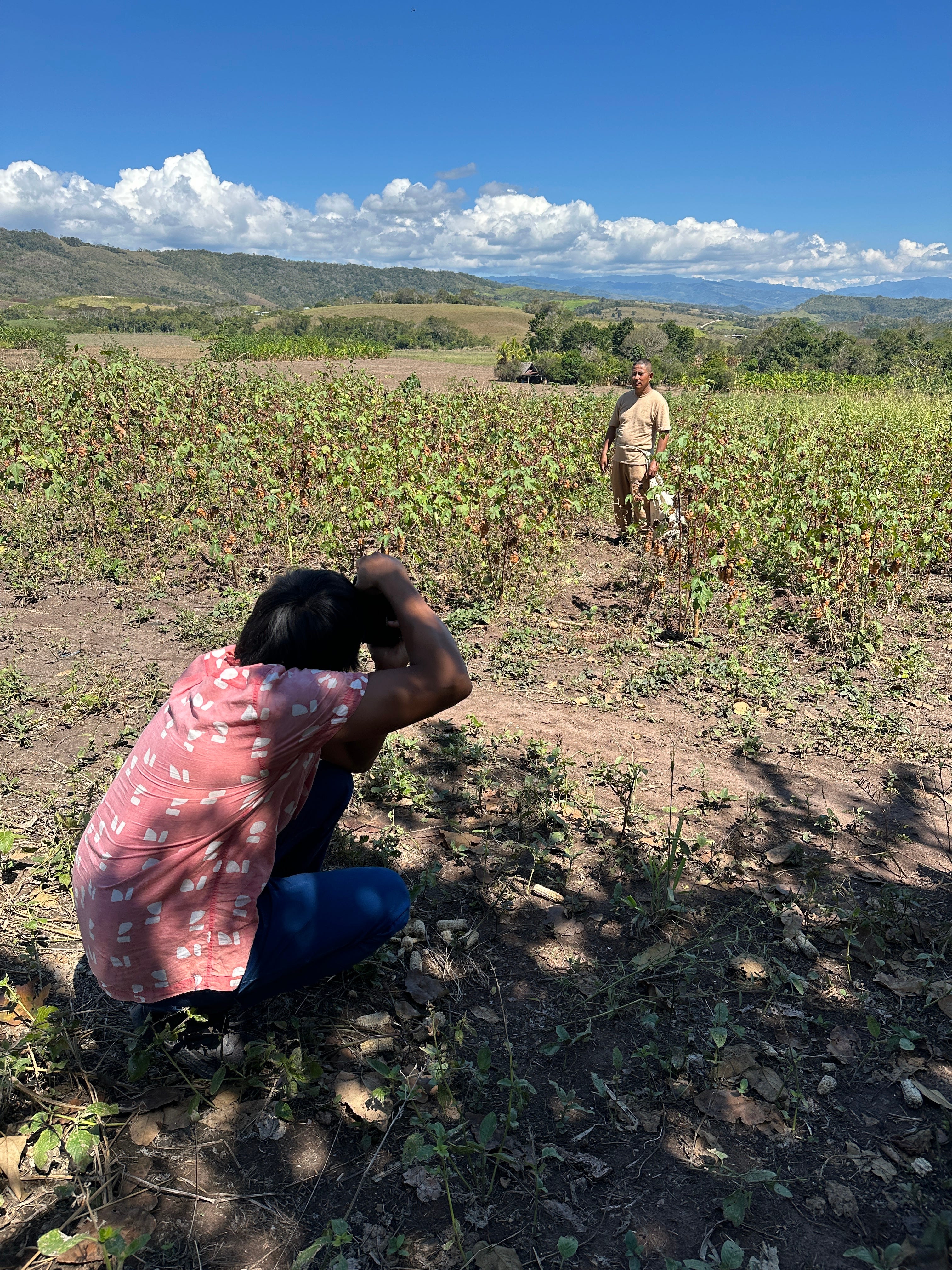
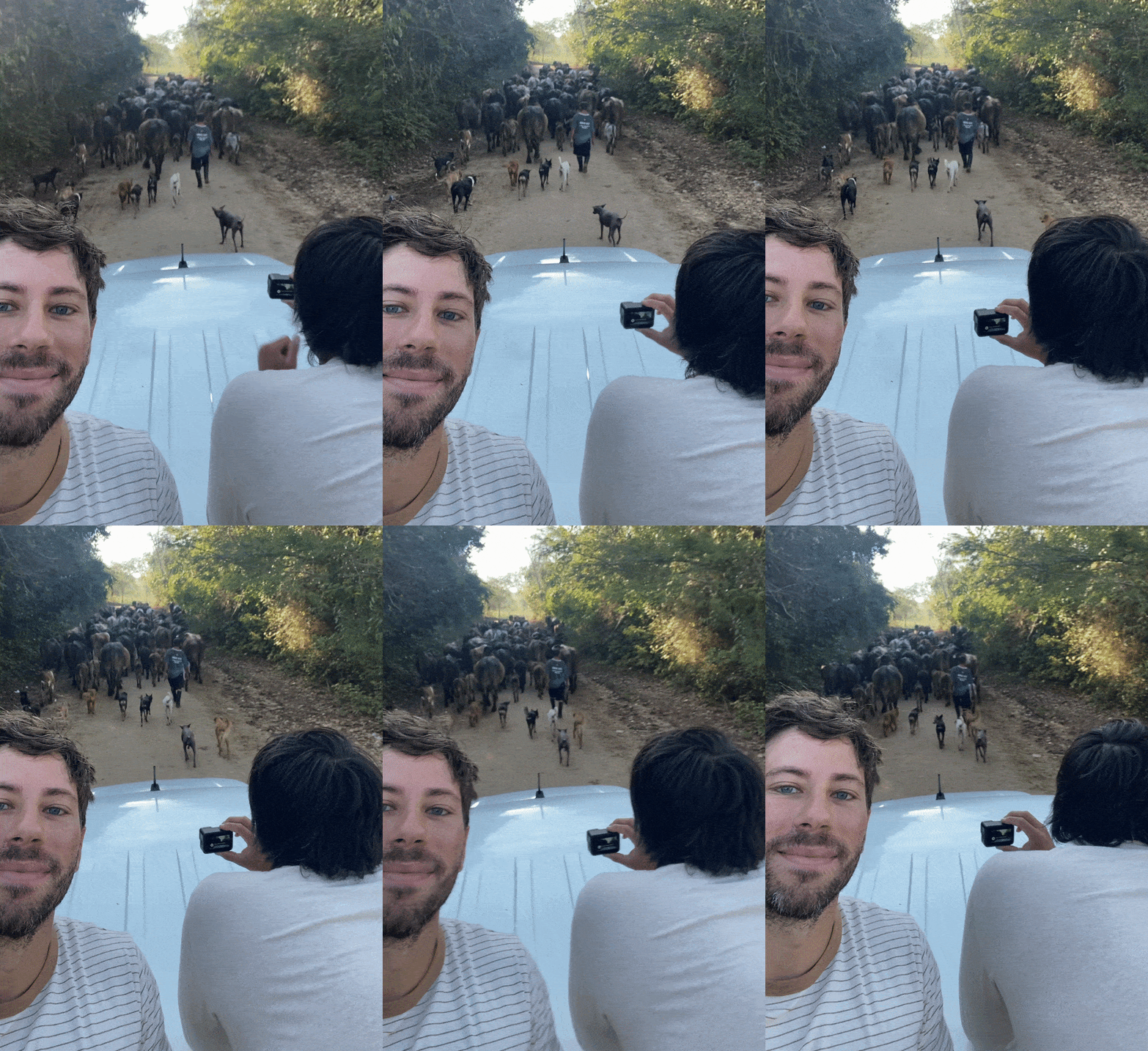
This was one of the best days I have had in my life. We started at 5:30 in the morning. We were with our new friend Tommy, who helped us get from Tarapoto to Pompilio’s farm. During the 45 minutes of back roads, our energy was rising. 5 days before, we couldn’t have even imagined the journey that we are on now. We spent two hours before anyone arrived surveying the land and taking pictures of the vast, sweeping landscapes, running from one end to the other, making sure we could document the beauty as we saw it with our own eyes.
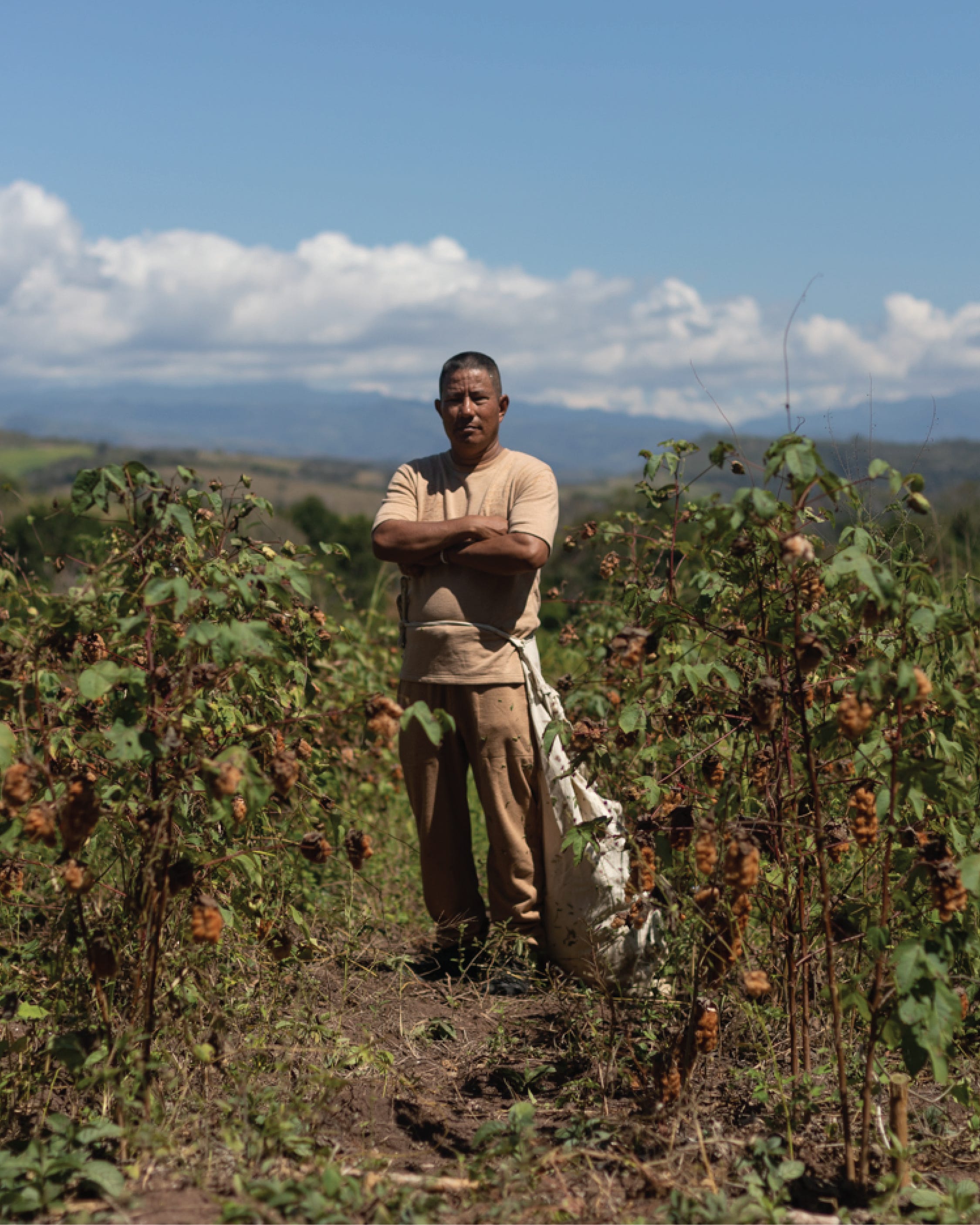
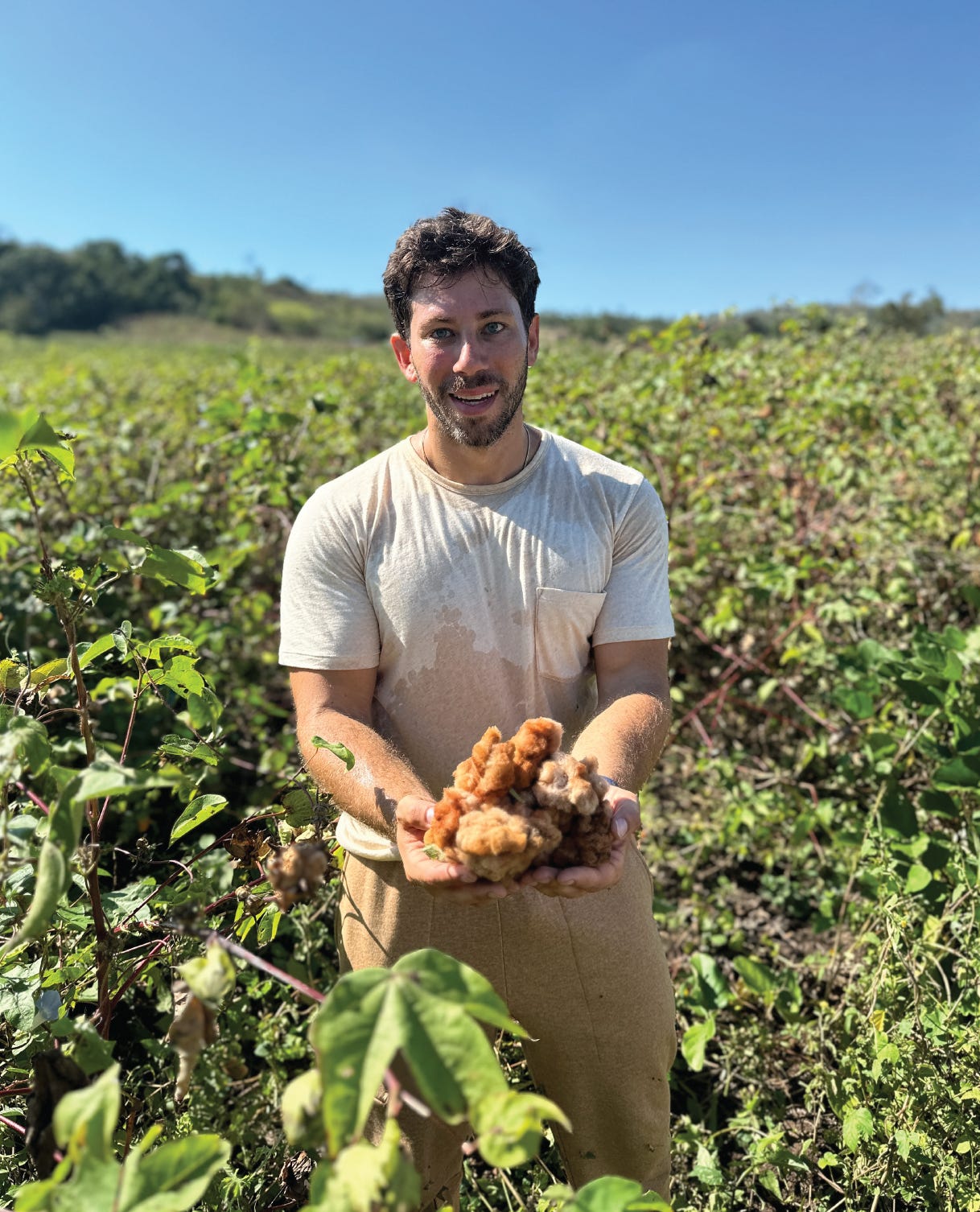
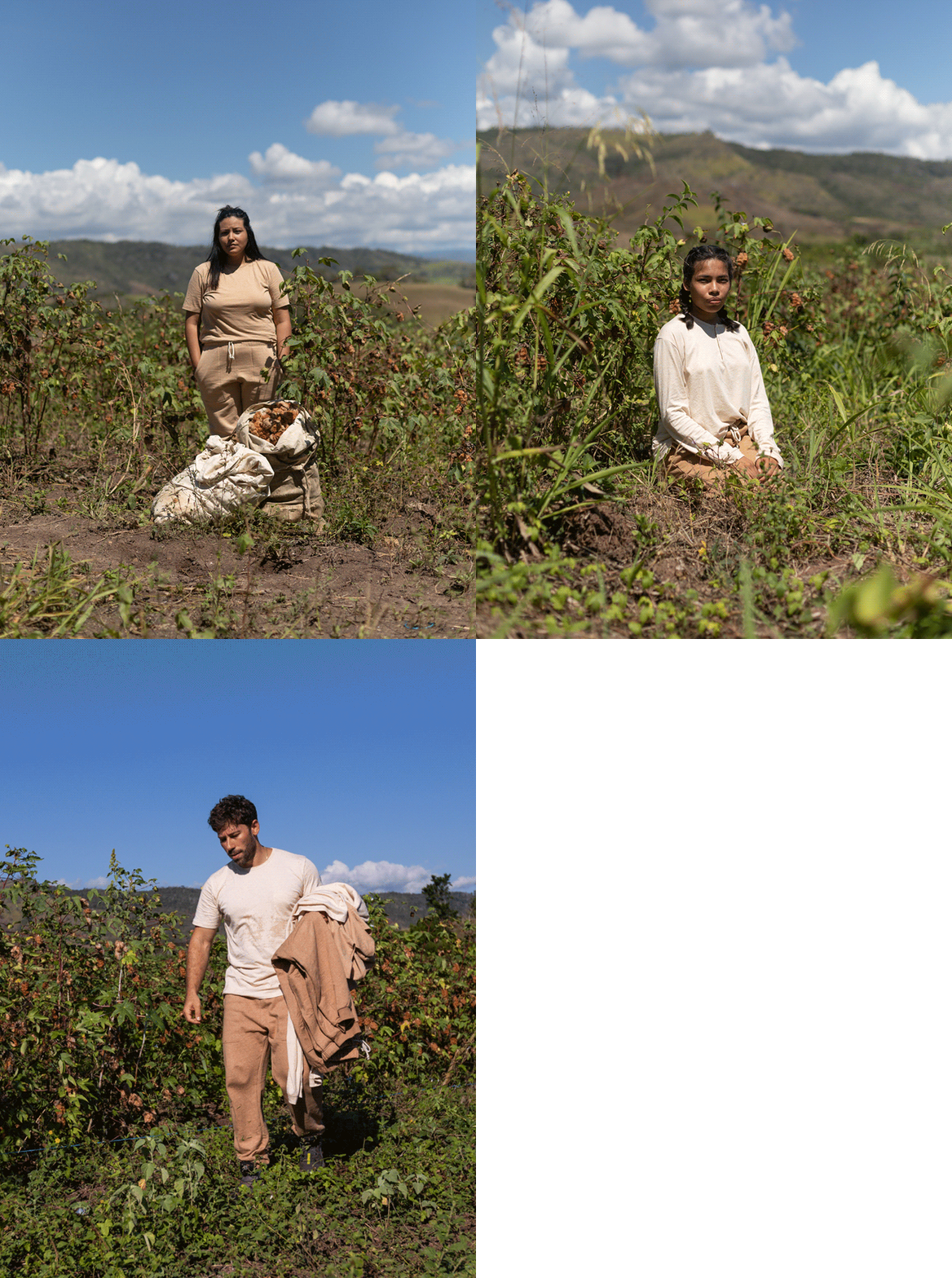
It’s hard not to marvel at native brown cotton. My body was drenched in sweat, gathering cotton to photograph and then later to be spun into yarns that we will use on our upcoming Wild productions. For me to have this opportunity, to be involved from the very first step of IOAN’s brown cotton productions, is a gift, and I am very grateful I can share this experience with the IOAN family.
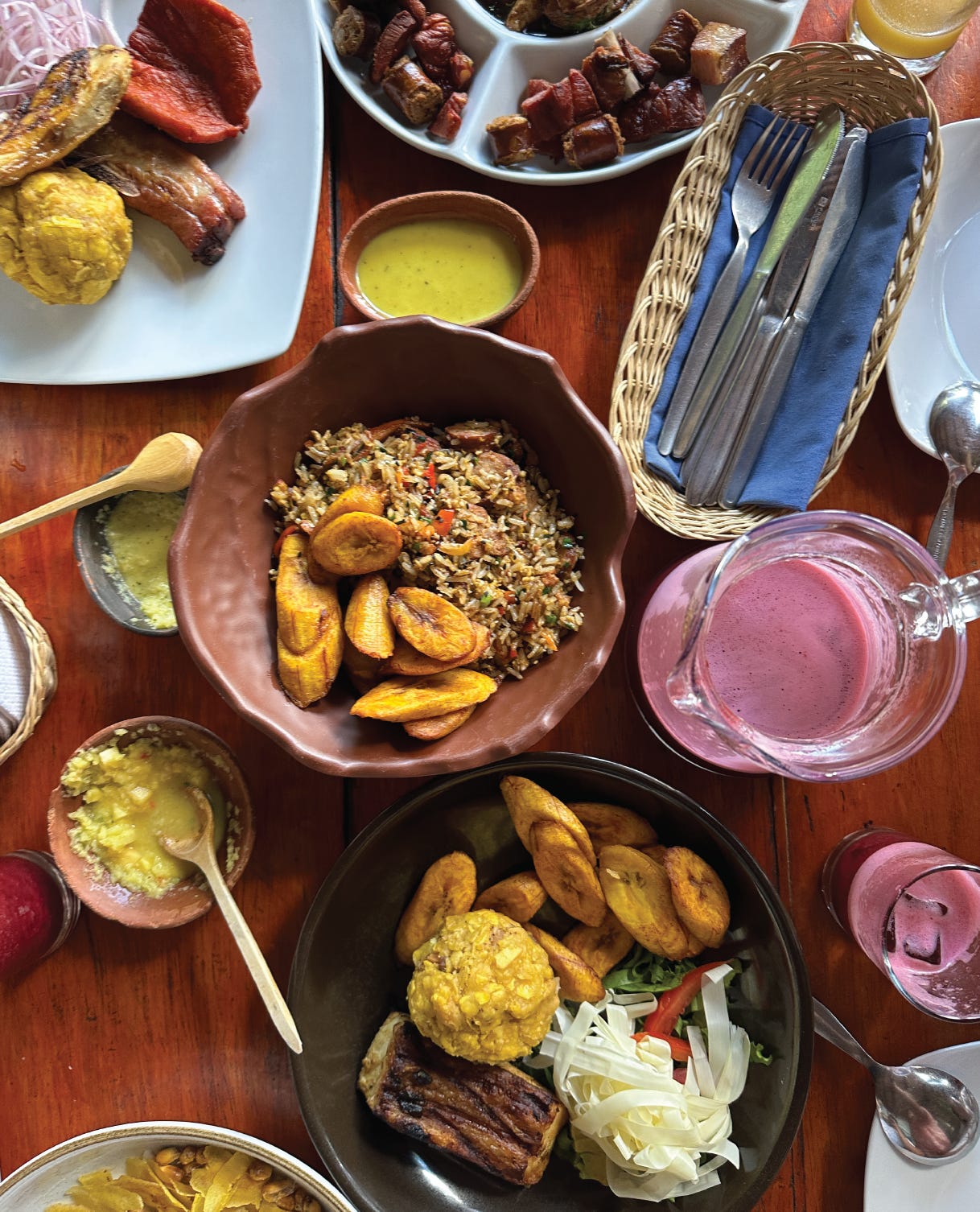
After being at the farm for 7 hours, we got lunch with our new friends. Selva means jungle in Spanish, and is the main type of cuisine in Tarapoto. Plantains, juice from fruits I’ve never heard of and wish I could remember, potatoes, rice, everything local, and explosions of flavor.
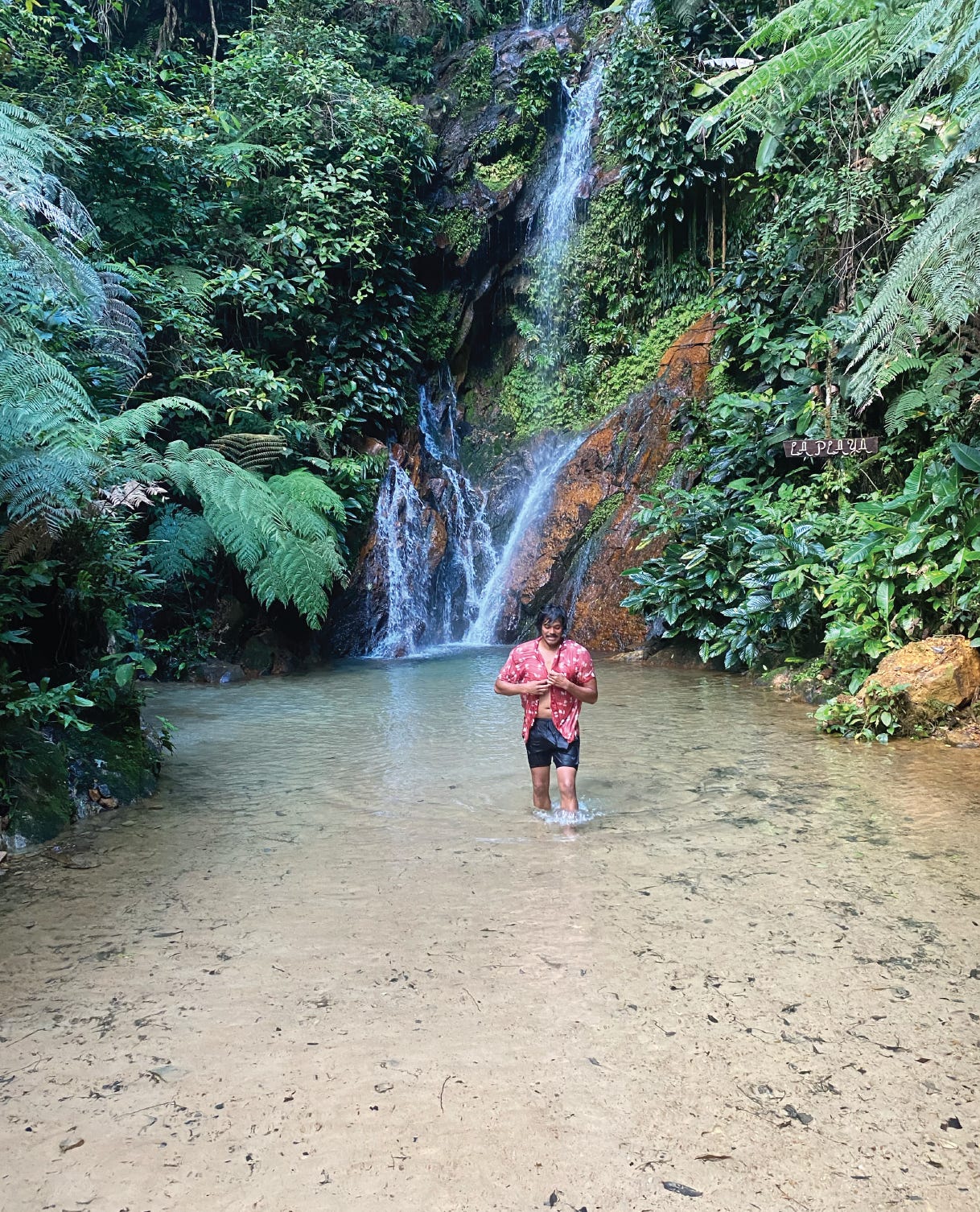
1.5 hours from Pompilio’s farm in the Jungle, Lyu took us to a magnificent chain of waterfalls that has created 5 natural pools with crystal clear water. After spending the day in 100º weather and losing 50% of my water weight in sweat, these pools are an experience I will never forget.
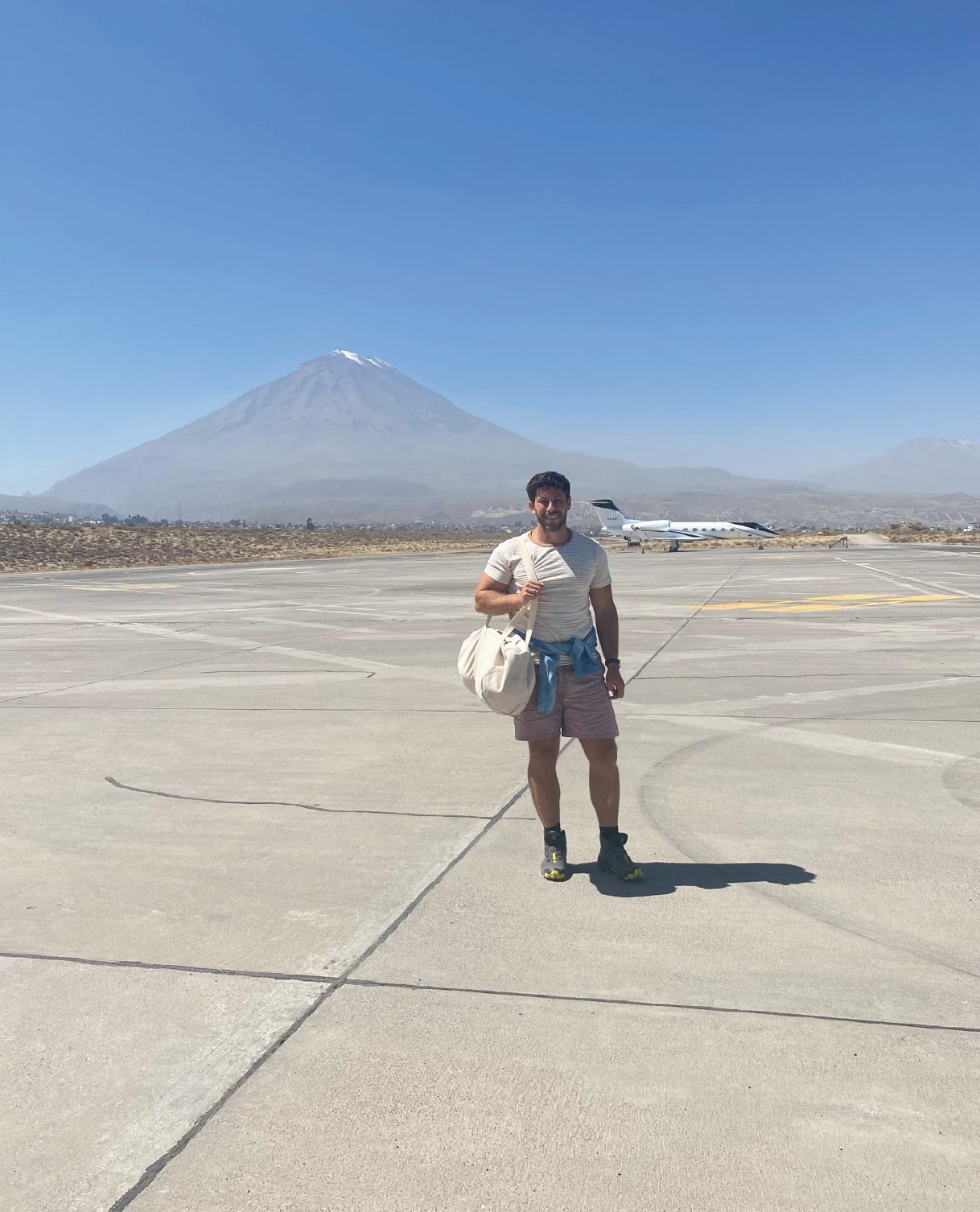
This past week, I have been working in Arequipa, a mountain town in the Andes surrounded by 4 active volcanoes.
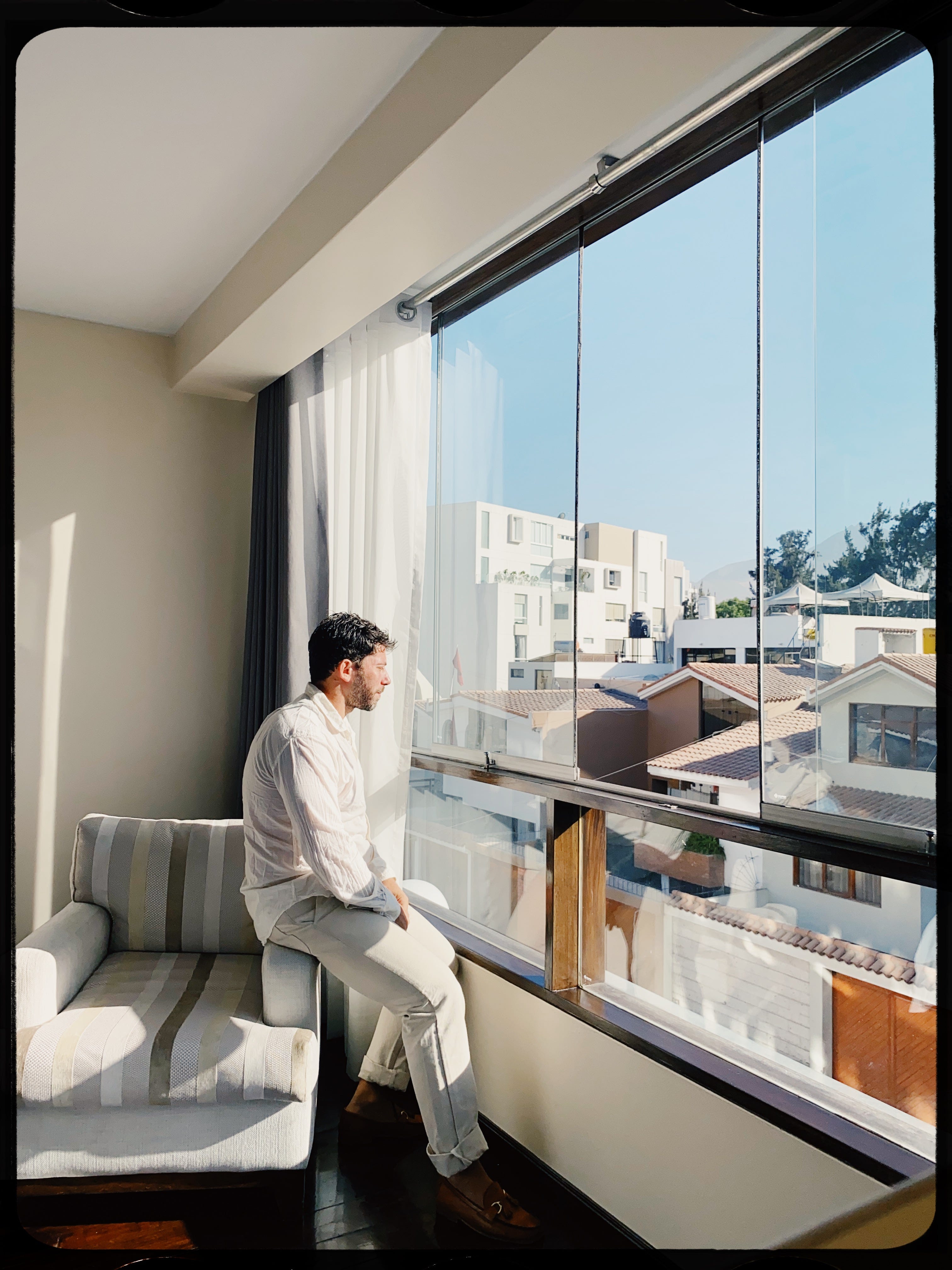
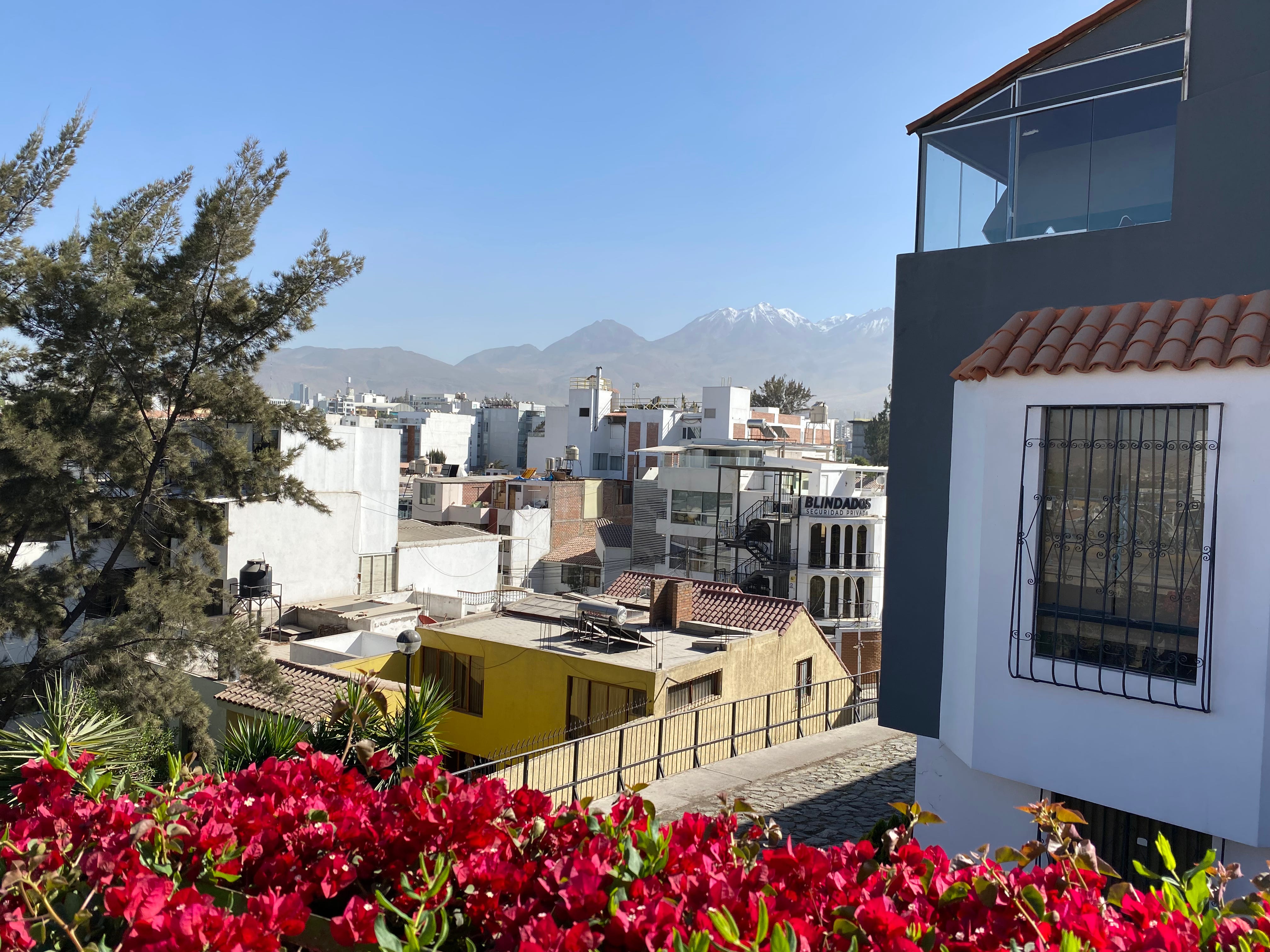
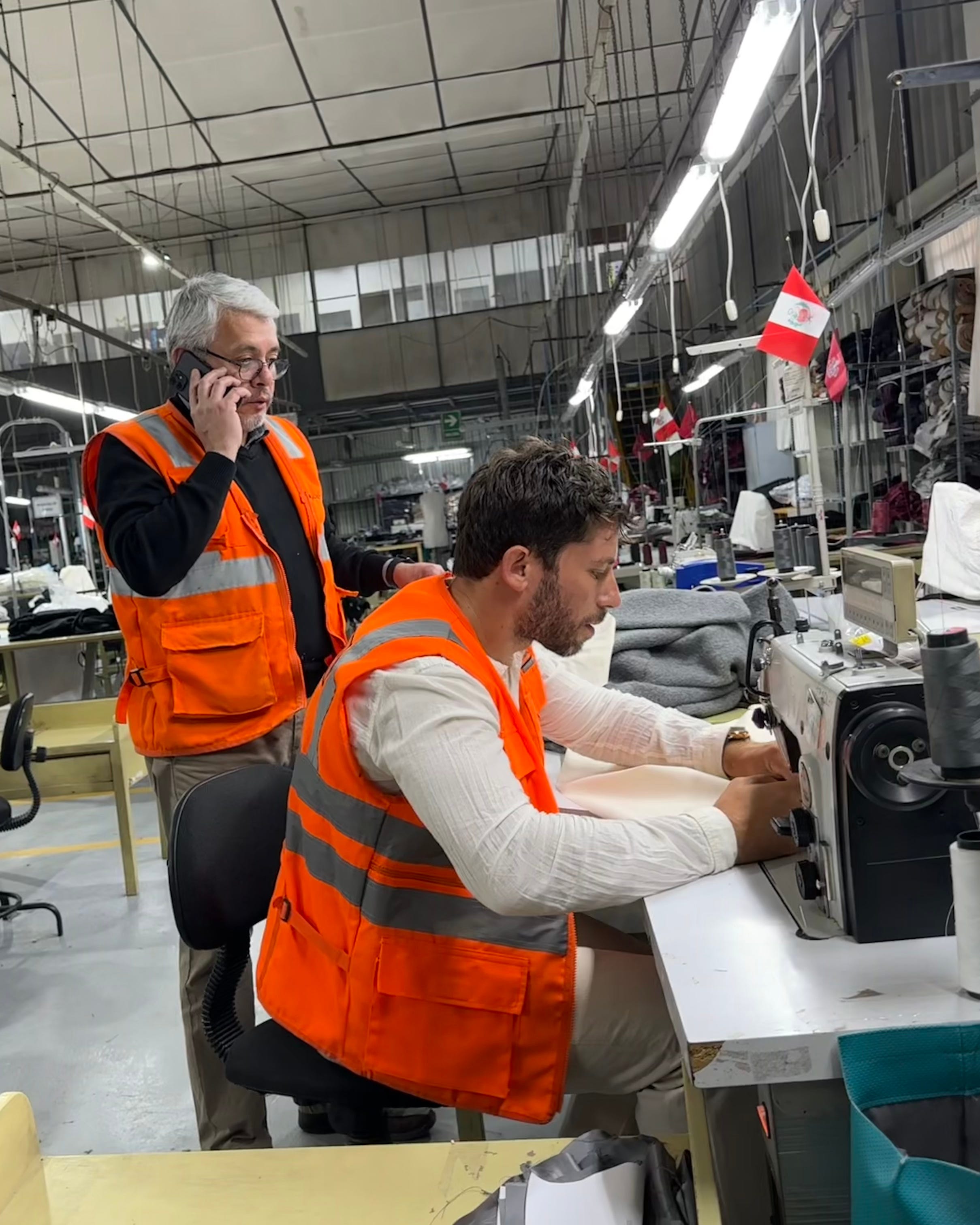
At the manufacturing facility, I worked with pattern makers, sample sewers and fabric teams to develop unique new materials and pieces for a fall collection. Adjusting, drafting and sewing samples with Rafa, an true expert.
A first of its kind, this quilted jacket is made from an alpaca wool blend on the exterior, 100% Cotton interior - although it’s reversible - and 100% mixed alpaca pieces as the batting. Not using any synthetic materials at all for this traditional jacket liner style strangely makes it the first. The color comes from the fiber itself, using no dyeing or bleaching processes at all.
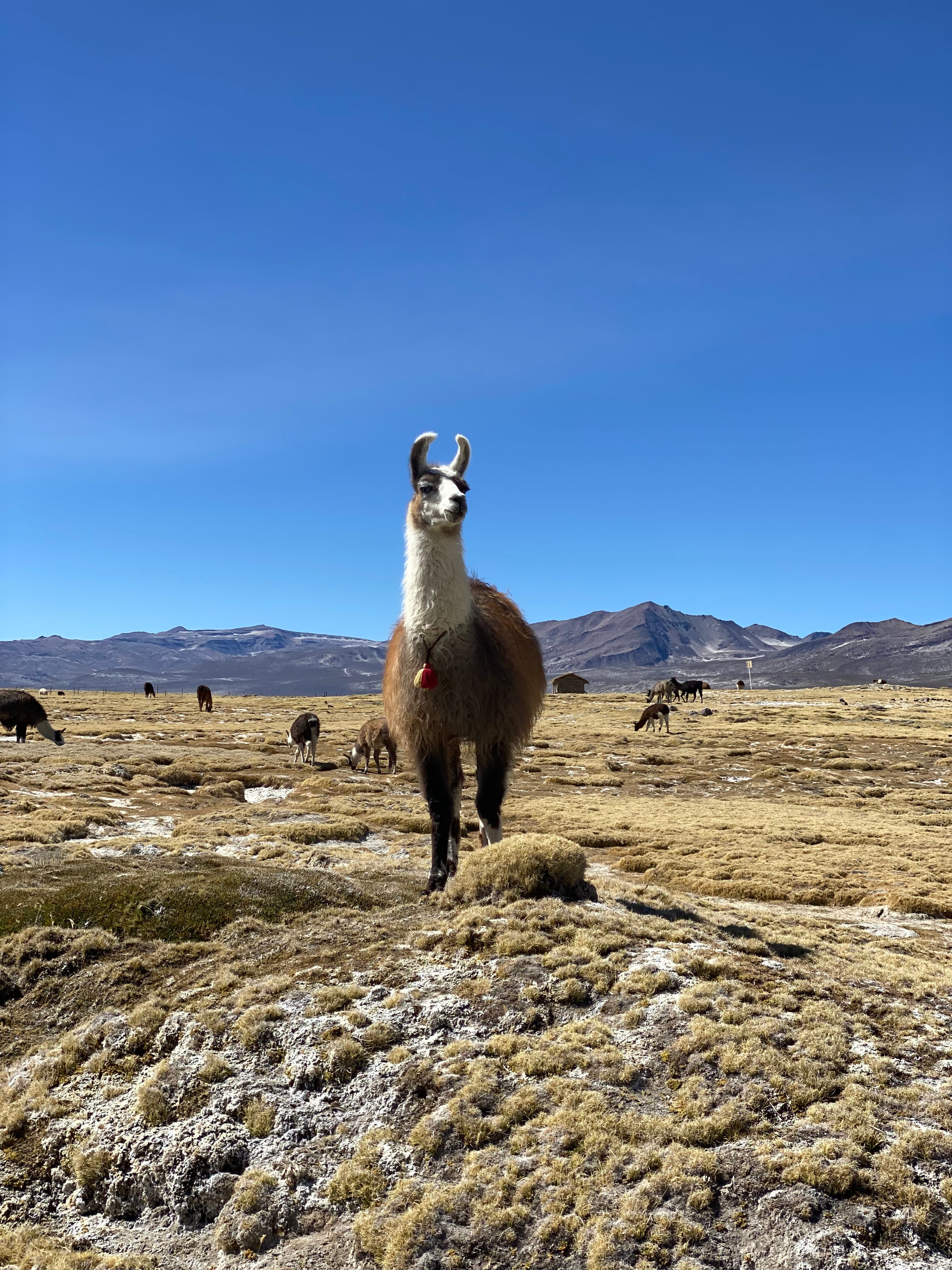
Each Alpaca has their own unique coloring, some ranchers selectively breed to create herds that are more uniform in color making it easier to sort the color after sheering. This picture is taken at an Alpaca Ranch 1.5 hours outside Arequipa towards the volcano.
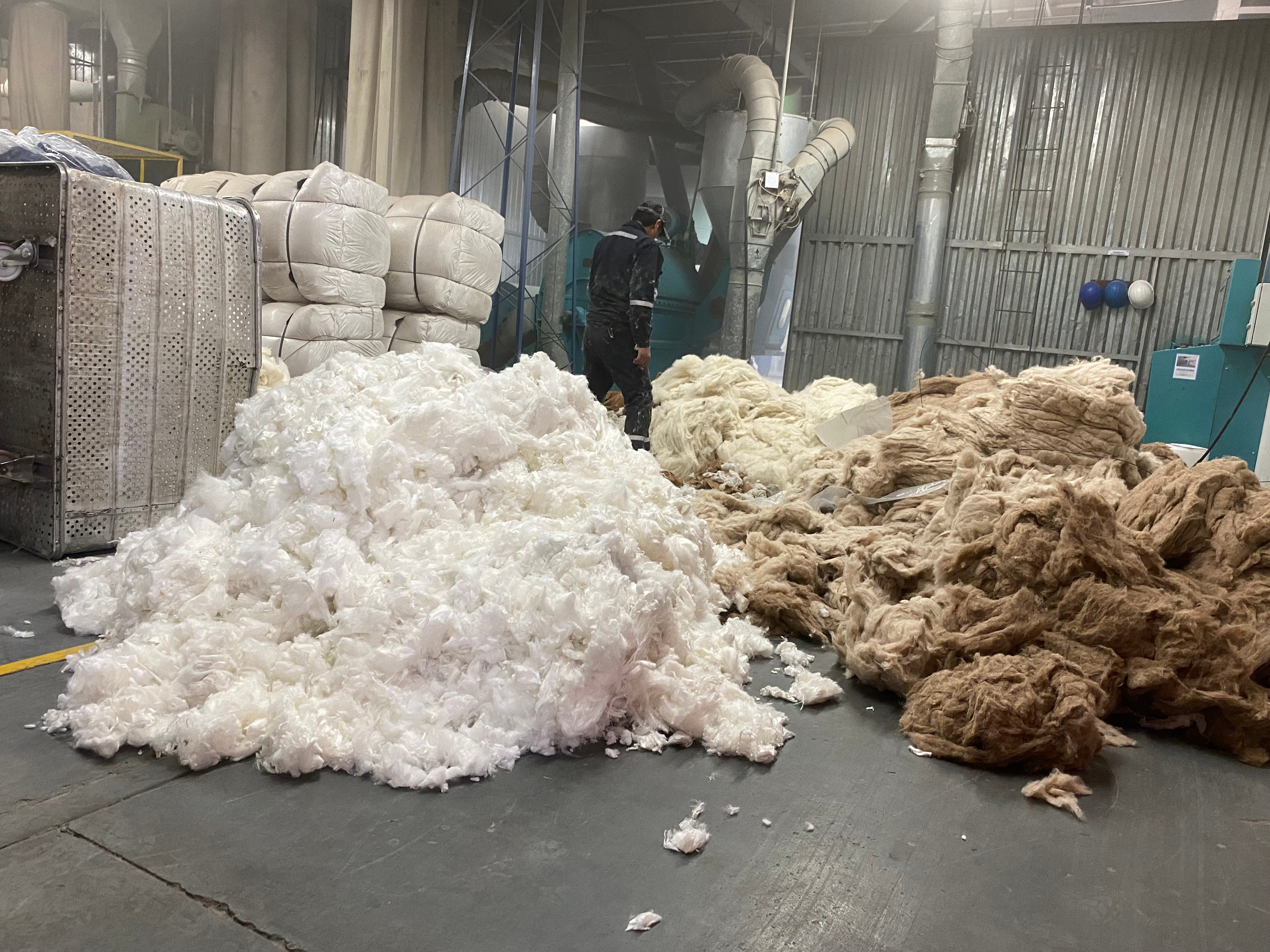
At the yarn spinning facility, the colors are matched together and separated and blended to create over 26 natural variations.
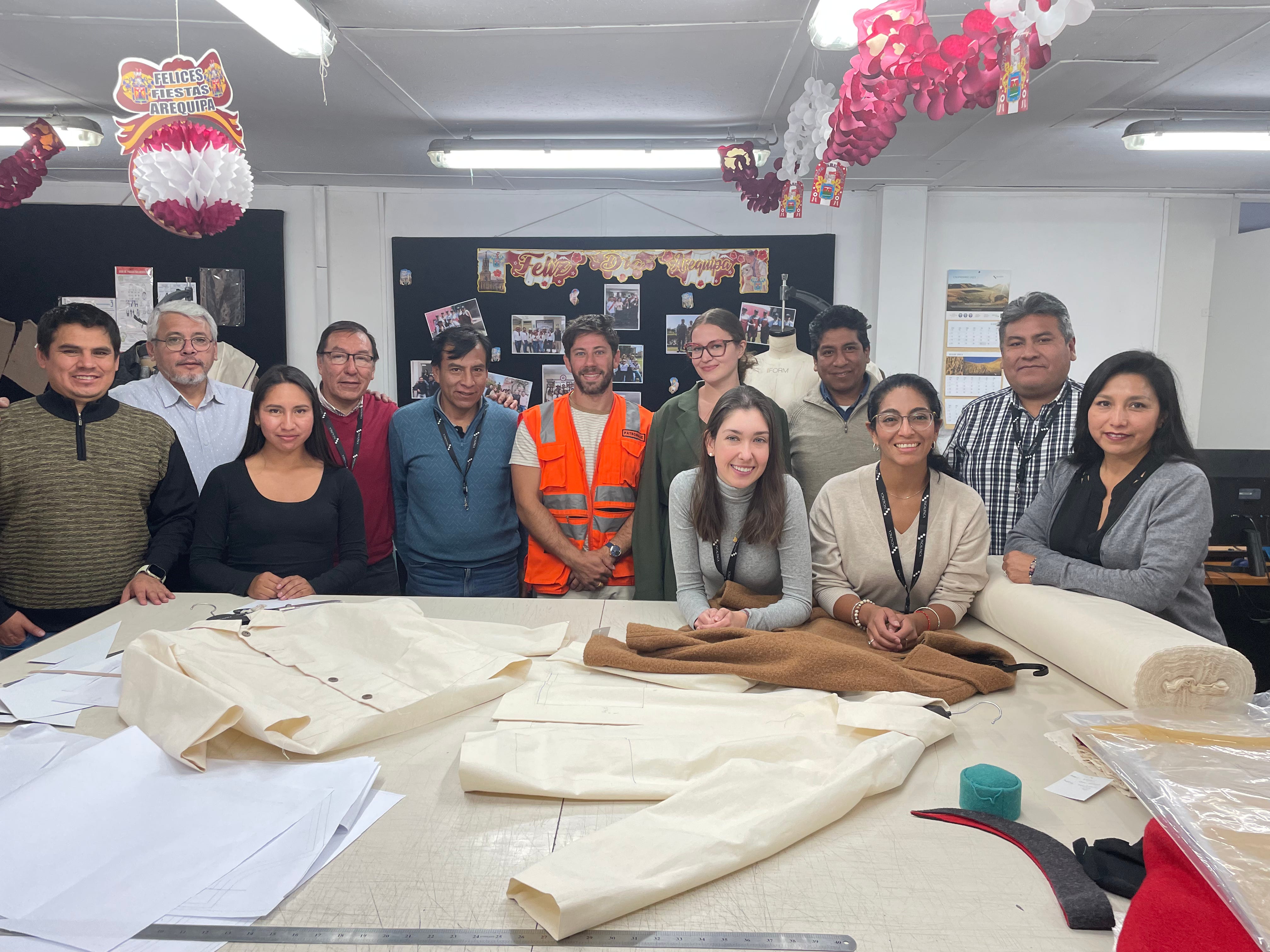
The incredible team that I worked with for 7 days straight, becoming lifelong friends. From experts to interns, each teammate helped to create some of the most uniquely made 100% natural fiber garments on earth.
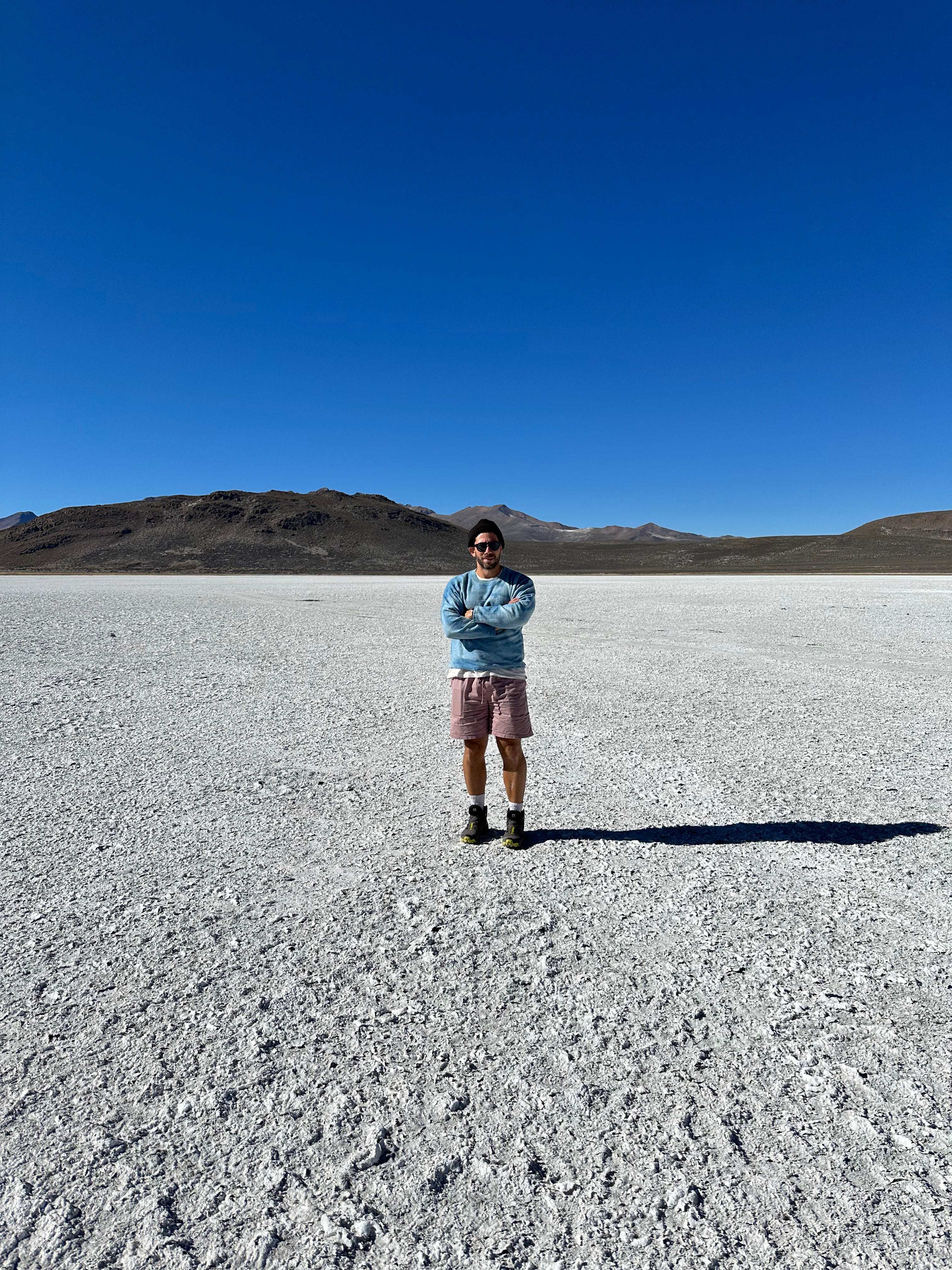
Outside of Arequipa, a beautiful salt flat that feels other worldly - beautiful landscapes, and amazing wildlife. See the manufacturing process and the surrounding landscape in the video below.
~ Talk Soon,
Eric
love this story!! And makes me jealous :) XO